Unattended Death Cleanup
Decomposition cleanup and odor control are needed after a death goes unnoticed for several days.
See unattended death cleanupRemove decomposition odor at the source in a home, apartment or rental in Mount Adams. Cleanup can include contaminated material removal, disinfection, air filtration and careful sorting of belongings.
Death odor removal means cleaning decomposition residue, taking out affected materials and treating lingering smell in the air rather than hiding it with fragrance. This cleanup addresses the underlying source along with the air.
Odor is produced during decomposition, and it may travel from the room in which the person was discovered. It can settle into upholstery, carpet, HVAC components and spaces inside walls. Deodorizing by itself is not a solution. Cleanup has to begin with locating and taking out the source.
An official property release must come before cleanup. It may be issued by a medical examiner or coroner, another authority or law enforcement. Cleanup crews examine the affected space and nearby areas. They follow contamination below surfaces and sort clean possessions from impacted ones. Materials that are porous may have to be removed if they absorbed fluids, while hard, non-porous surfaces are often suitable for cleaning and disinfection.
Once the source is gone, HEPA air filtration, hydroxyl treatment or controlled ozone treatment may be used as part of odor remediation. The building type, impacted materials and ability to leave the space empty during treatment guide the method used. Professional cleaning services should explain why a method fits the property.
At any hour, your call is answered, while unmarked vehicles help crews preserve privacy during a difficult time.
Before work begins, you learn which materials could remain, what might be removed and where cleanup is necessary.
Photos, the cleanup scope and disposal records can be organized for your insurance company, landlord or property manager so you can move forward.
Keepsakes, documents and unaffected belongings are set aside for your decisions instead of being discarded without your knowledge.
When odor lingers after the deceased is removed, or decomposition fluids have affected the property, death odor cleanup is needed. Typical situations include:
A person was not found right away, and decomposition affected a bedroom, bathroom, living area or the materials below it.
Carpet, furniture, personal property, drywall or subfloor absorbed the smell and could hold unseen residue as well.
Before repairs, repainting or another move-in, a property manager or landlord needs the affected rental cleaned.
Tracing is needed when smell travels to a common air system, neighboring unit or hall, while other residents remain protected.
To protect yourself and avoid spreading contamination, keep people out and do not begin until the property is officially released. Tell cleanup technicians these details before they start death odor remediation:
Call (888) 440-9227The BioCleaners Directory death odor removal guide lists $500 to $1,500 for mild odor, $1,500 to $3,500 for moderate odor, $3,500 to $6,000 for severe odor, and $6,000 to $15,000 when extreme odor requires structural work. The amount depends on the source, the affected materials and how far contamination traveled.
These ranges come from published national cost guides, not from a site visit. After an on-site assessment, the price for your property is determined and shared with you before cleanup begins.
Ask about cost: (888) 440-9227Insurance for a homeowner, renter or landlord may cover cleanup of death odor, depending on whether the policy includes the event. Coverage terms, exclusions and deductibles vary. When possible, the property owner should report the loss prior to beginning repairs.
Notify your insurance company as soon as possible. Ask whether your coverage includes biohazard remediation, treatment for odor, removal of damaged structural materials and repairs.
Homeowners or renters insurance, the estate or the property owner usually pays for this kind of cleanup. The Ohio crime victim compensation program helps only when a crime caused the loss.
A rental property's manager or owner usually arranges cleaning of the building. Personal property responsibility can be considered on its own.
Ask what photos, cleanup scope, disposal records and repair details the adjuster needs. Save receipts alongside your insurance claim number.
A source-first approach guides death odor removal. Before any air treatment, cleanup and removal of affected material take place because equipment cannot resolve contamination that remains within the structure. Clean spaces are kept apart from the work zone during every stage.
Inspection covers affected rooms, nearby spaces, contents, floor perimeters and air returns to map possible odor and residue travel.
The affected workspace is kept apart from unaffected rooms. Crew members manage airflow with protective gear and equipment appropriate for the exposure.
Visible residue comes out first. Crews remove carpet, pad, upholstered furniture, mattresses, subfloor sections or drywall if cleaning cannot make them fully clean.
Hard surfaces left in place receive cleaning followed by an EPA-registered disinfectant used for the entire contact time on the label.
HEPA air scrubbers filter the work area. Once sources are removed, lingering odor may be treated with hydroxyl or a different appropriate method.
Registers and accessible ventilation components near the affected area are checked for residue and odor so air movement does not spread the problem.
Applicable local and state regulations guide how affected materials are packaged, marked and taken away for disposal.
After treatment, crews perform another inspection of the work zone. Records given to you show every step completed, everything cleaned or taken out and outstanding repairs.
Phone any hour. You speak with a death odor removal specialist who outlines the process and schedules a start time with you.
A lingering smell can signal that its source remains, but the odor itself is only a warning. Direct contact with decomposition fluids, hazardous materials or affected belongings can pose serious health risks, and moving them may contaminate clean areas.
Sorting affected items or going inside the room can cause family members emotional pain. A representative you trust can decide on your behalf while you keep clear of the affected area.
Applicable medical waste rules require controlled packaging for materials contaminated by bodily fluids, followed by hazardous waste disposal. Keep them out of regular household waste.
Fluids may travel along seams, penetrate carpet and padding, then absorb into subfloor, drywall or wood. What is below remains unknown even when the top looks clean.
Can you clean it yourself? Never decide that an area is safe based on how strong it smells. Contamination inside a porous item or below the floor may still produce only a weak odor. When a death involves fluids or you cannot find the source, close off the space and seek a professional assessment.
Each material is evaluated separately during death cleanup. Proper cleaning and disinfection can often preserve a clean, non-porous surface. When decomposition fluids soak into porous material, removal is usually necessary because contamination may remain underneath.
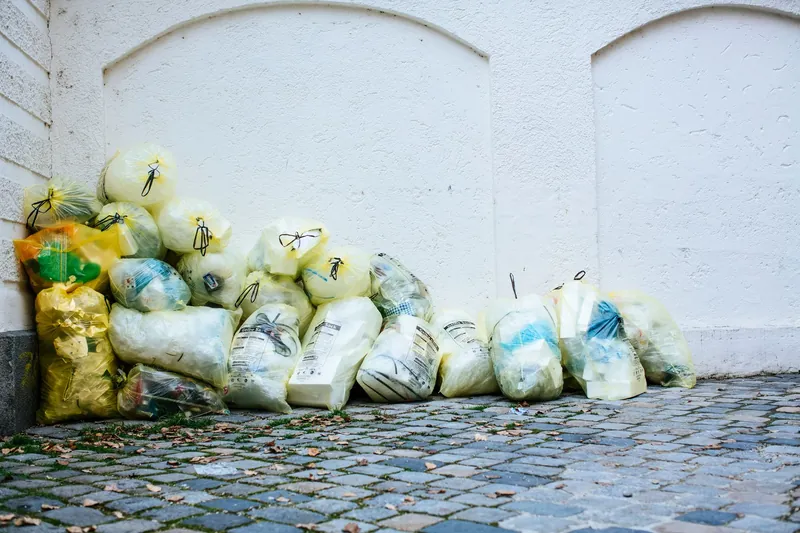
For a contained death odor cleanup, on-site time may range from one day through three days. The schedule can extend when contamination soaked into the structure, spread to several rooms, or left removed walls and floors that require repairs in a separate phase.
| Scene | Typical time on site |
|---|---|
| Mild odor with no structural removal | Often one day |
| One affected room with absorbent materials removed | Often one to three days |
| Several areas or structural contamination | Several days, plus repair time |
Every impacted material must be found before decomposition odor can be removed. Fogging, fresh paint or fragrance is not a substitute for eliminating the source. When fluids have soaked into drywall, furniture, carpet or subfloor, full cleaning or removal of that material must happen ahead of air treatment.
During cleanup, airborne particles may be filtered with HEPA air scrubbers. If odor lingers, hydroxyl treatment may be appropriate. Because ozone is a lung irritant, its use requires strict controls. No people, pets or plants can remain in the treatment area, and nobody should reenter before proper ventilation is complete.
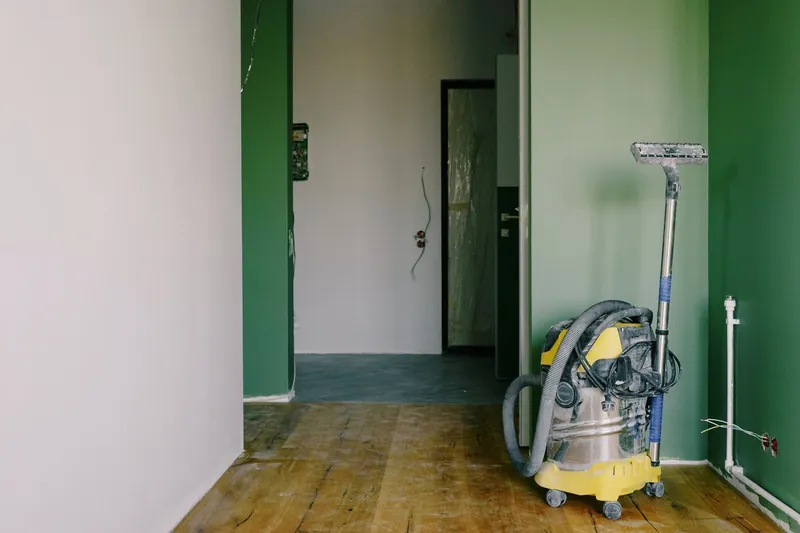
The full death odor removal guide covers what is cleaned or removed, odor and air quality work, and the rules that apply in Ohio and Hamilton County.
Read the full death odor removal guideContainment, entry and cleanup plans can be influenced by local housing, population and access details.
Knowing that Christ Hospital is about 1.5 miles away helps households plan where to seek care before arranging scene cleanup.
The surrounding area includes Pendleton, Prospect Hill, and Gilbert-Sinton Historic District, so cleanup travel may cross several local streets or municipal boundaries.
Because this is a neighborhood within Cincinnati, cleanup access may depend on local parking, common entrances, or building management rules.
You can ask about cleanup in nearby communities and ZIP codes during the call.
Decomposition cleanup and odor control are needed after a death goes unnoticed for several days.
See unattended death cleanup
Home cleaning following a death includes affected possessions as well as fluid and odor cleanup.
See death cleanup
Removal of decomposition fluids from floors, subfloors and furniture.
See decomposition cleanup
Careful work in the family home follows when a death is discovered quickly.
See attended death cleanup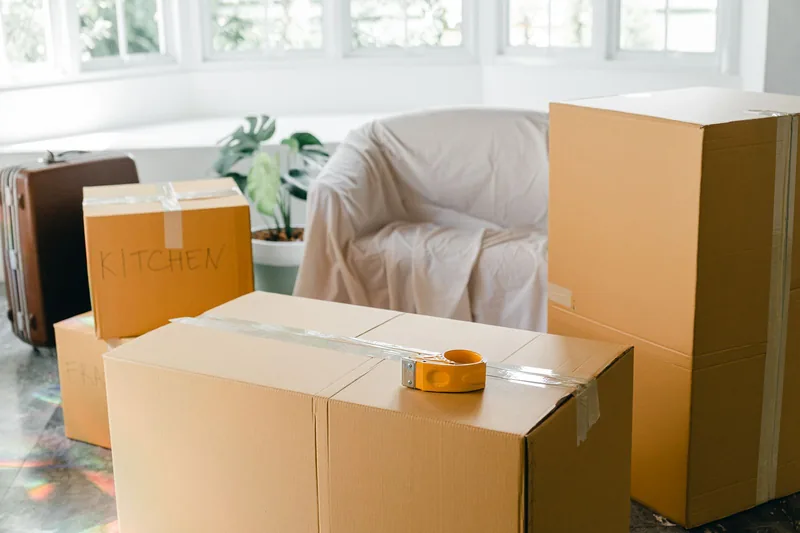
Estate cleanout after a death, with sorting of belongings and safe removal.
See estate cleanout after a death
Cleanup removes infectious material, including blood and body fluids, and disinfects the property.
See biohazard cleanup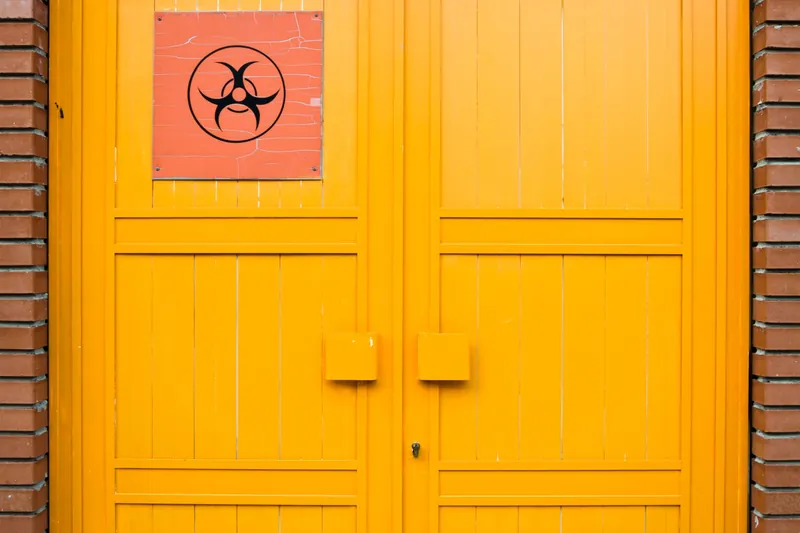
Trauma scene cleanup addresses the aftermath of accidents, injuries and violent incidents.
See trauma scene cleanup
Biohazard cleanup for hotels, Airbnb units and rental properties.
See hotel, airbnb and rental biohazard cleanupDo not let anyone enter the affected area until authorities have released the site. Cleanup then includes containment, removal of decomposition residue and materials that cannot be disinfected, detailed surface cleaning, medical waste disposal and air treatment. You can stay outside and avoid sorting affected possessions alone.
Contained cleanup may last from one to three days. Structural removal, contamination in difficult locations and several affected rooms can increase the duration. Repairs happen after remediation, so replacement of flooring or drywall may add time even when cleaning and odor treatment are complete.
Recurring odor commonly points to a source left behind. Fluids may have entered carpet padding, wall cavities, subfloor, furniture or parts of the ventilation system. Although fragrance or surface cleaning can briefly improve the smell, lasting odor removal means finding and correcting every affected area.
After scene release, arranging cleanup commonly falls to an estate representative, family member, landlord or property owner. Contamination and odor can both be removed by a professional cleanup crew. Replacement of removed construction materials, such as drywall or flooring, may require a different contractor.
First, verify that authorities have released the property. Close off the impacted room, contact the insurance company and treat standard estate tasks separately from biohazard cleanup. Contaminated belongings need assessment before they are moved. Afterward, you may ask a family member or the estate representative to help organize unaffected possessions and meaningful items belonging to loved ones.
A homeowners, renters or landlord policy may cover biohazard cleanup, odor treatment and damaged materials when the event is covered. The deductible and exclusions still apply. Notify the insurer when you are able, and before any work begins, ask the adjuster which cleanup and repair records are required.
Crews carry out respectful, discreet death odor removal, arrive in unmarked vehicles and take calls 24 hours a day.